Out Of The Soil
All things gardening

THE BENEFITS OF GOOD ORGANIC SOIL
Having good soil - fluffy, healthy, rich soil can mean the difference between a great garden and an unsuccessful one. Good soil has tons of great stuff in it, including living things like earthworms, microbes and yep, even bugs! The more living things in the soil, the better your plants will grow.
Except for sunlight, plants get everything they need to grow and thrive from the soil they grow in. So, if you want to give your garden a boost, start with the soil.
WHATS IN THE SOIL?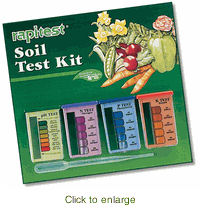
Fresh air: Roots need air, and if your soil doesn't have spaces to hold air, your plants will suffocate. adding organic matter to the soil helps to "fluff it up" so that there's room for air, and growing roots, between the soil particles.
Arbico Organics has all the fertilizers and testing you need for your organic gardening needs.
Moisture: Healthy soil holds water too. Because plants like their nutrients in liquid form for easy absorption through their roots, water is essential for healthy plants. But too much water forces the air out of the soil and drowns your plants.
Elements: Healthy soil contains just the right mix of various elements to support plant growth and development.
Earthworms, bacteria, fungi, insects and all other kinds of "helpful goodies" inhabit healthy, organically tended soil. Far from harming your plants, these soil dwellers help create spaces in the soil where roots can grow, break down organic matter into forms your plants can use andform connections with plant roots that improve nutrients uptake.
The good news? You can MAKE your soil great! And it's free!
Compost: leaves, grass clippings, pulled weeds and kitchen scraps turn into a dark moist material that enriches soil and makes plants grow like crazy. any gardener can make it with materials that are right on hand.
STOP!!
STOP ignoring your soil!
If you expect your soil to support great gardens and a lush lawn year after year without any help from you, you're in for a disappointment. If you don't replenish the soil's natural organic matter, eventually your plants will suffer.
STOP using chemical fertilizers!
Feeding your plants with chemical fertilizers gives you short-term gains in growth at the expense of long-term soil health. Because they are highly soluable, chemical fertilizers tend to wash through the soil quickly. If the plants don't use them quickly, they end up as pullutants in the groundwater. Chemical fertilizers are also harmful to earthworms and other soil organisms that work so hard at turning organic matter into humus and nutrients for your plants.
STOP compacting the soil!
Repeatedly walking on soil or driving equipment such as a lawn tractor over soil compacts it, destroying those important spaces that hold air and water for your plants. Vary the patterns you follow when you mow your lawn, use stepping stones or a thick layer of mulch over paths to reduce compaction.
STOP adding lime or other things.
Unless a soil test clearly indicates that there's something lacking in your soil, adding tons of fertilizers iis like burning money. Even worse, you may really throw things out of balance and wind up spending even more on corrective measures - correcting the problems you caused!
STOP buying peat moss!
Peat moss is a popular soil covering, but peat is a limited resource and when used as mulch, it can crust over and actually prevent moisture from penetrating your soil. Unless you're using peat to acidify the soil for your plants such as blueberries or azaleas, save you money and substitute compost or shredded leaves.
COMPLETE ORGANIC GARDENING GUIDE
Over time you will realize that growing organic vegetables in your home or outside of your home is even cheaper than purchasing canned or frozen vegetables each month.
You and your family will be eating healthier while saving a great deal of money. There is even the chance of making money if you have neighbors, friends, or other family members that would like to buy fresh produce from you.
LEARN HOW WITH THIS GREAT GUIDE �
COMPLETE ORGANIC GARDENING GUIDE
�